
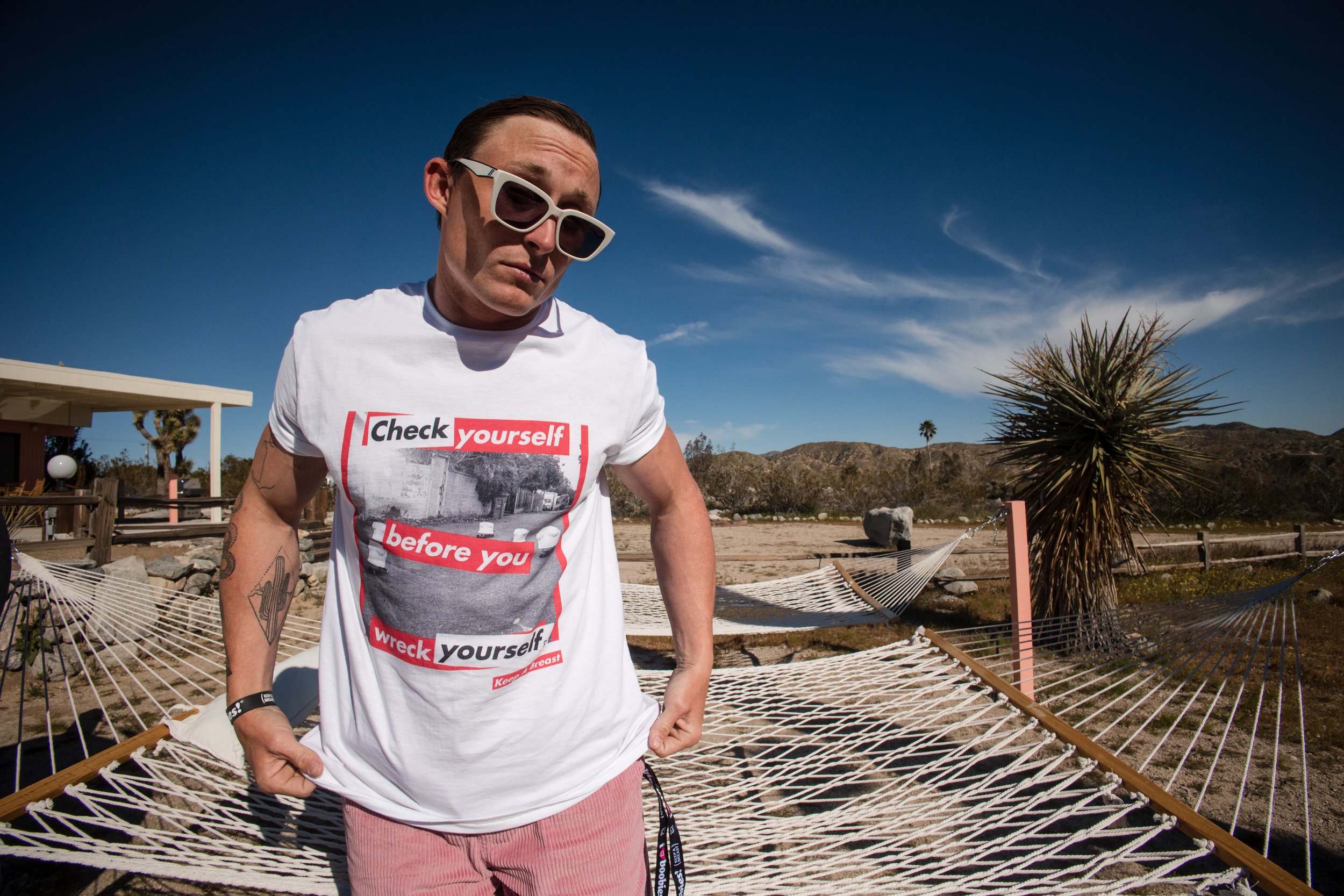
Breast cancer affects men, too
Breast cancer in men is rare but it does happen.
In 2026, it’s estimated that 2,670 men in the U.S. will be diagnosed with invasive breast cancer in the U.S., and around 530 men will die from the disease. Male breast cancer accounts for fewer that 1% of all breast cancer diagnoses. (American Cancer Society)
Many men delay seeking care because symptoms are unexpected, misunderstood, or dismissed. Knowing what to look for and speaking up about changes in your body can make a big difference.
common myths & stigma
Many men are unaware they can develop breast cancer. Social stigma, lack of awareness, and delayed medical care can become real barriers that make diagnosis more difficult.
Myth 1
Men can't get breast cancer
Reality
Everyone, regardless of gender, has breast tissue. While breast cancer in men is rare, it can still develop; especially later in life.
Myth 2
A lump is probably nothing
Reality
Changes like lumps, nipple discharge, skin dimpling, swelling, or chronic soreness should never be ignored. Early detection improves treatment outcomes.
Myth 3
Talking about health makes you weak
Reality
Many men are socialized to avoid discussing their health or seeking preventative care. Paying attention to your body and making appointments when something feels wrong is an act of self-care.
Myth 4
Breast cancer spaces aren't for men
Reality
Many male survivors describe feeling isolated or overlooked during diagnosis and treatment. Everyone deserves support, information, and compassionate care.
what we know
Although breast cancer in men is uncommon, awareness is important because diagnoses are often made at later stages. Understanding risk factors and symptoms can help people seek care sooner.
SIGNS AND SYMPTOMS
Lump or thickening near the chest (may be completely painless)
Changes to the nipple
Nipple discharge
Skin dimpling or puckering
Swelling
Persistent pain or tenderness
For a full list of symptoms and common questions, visit our Breast Cancer 101 Page.
risk factors
Age
Family history
BRCA gene mutations
Hormone-related conditions
Radiation, BPA & phthalate exposure
Liver disease
Obesity
Learn about ways to reduce your risk, through our Prevention is the Cure Page.
why early detection matters
Early detection can make ALL the difference, not just in your life, but your family’s and friends.
Detecting disease before it spreads leaves you with options: the opportunity for less invasive surgery and prolonged treatment, and quicker recovery.
Consider this your wake-up call. Men can & do get breast cancer. So check yourself and know your normal!
“About 10% to 20% of male breast cancers are hereditary. The vast majority — 80% to 90% — are sporadic, meaning they occur due to age, environment, or lifestyle factors without a clear genetic blueprint.”
HOW TO CHECK
a visual guide for men
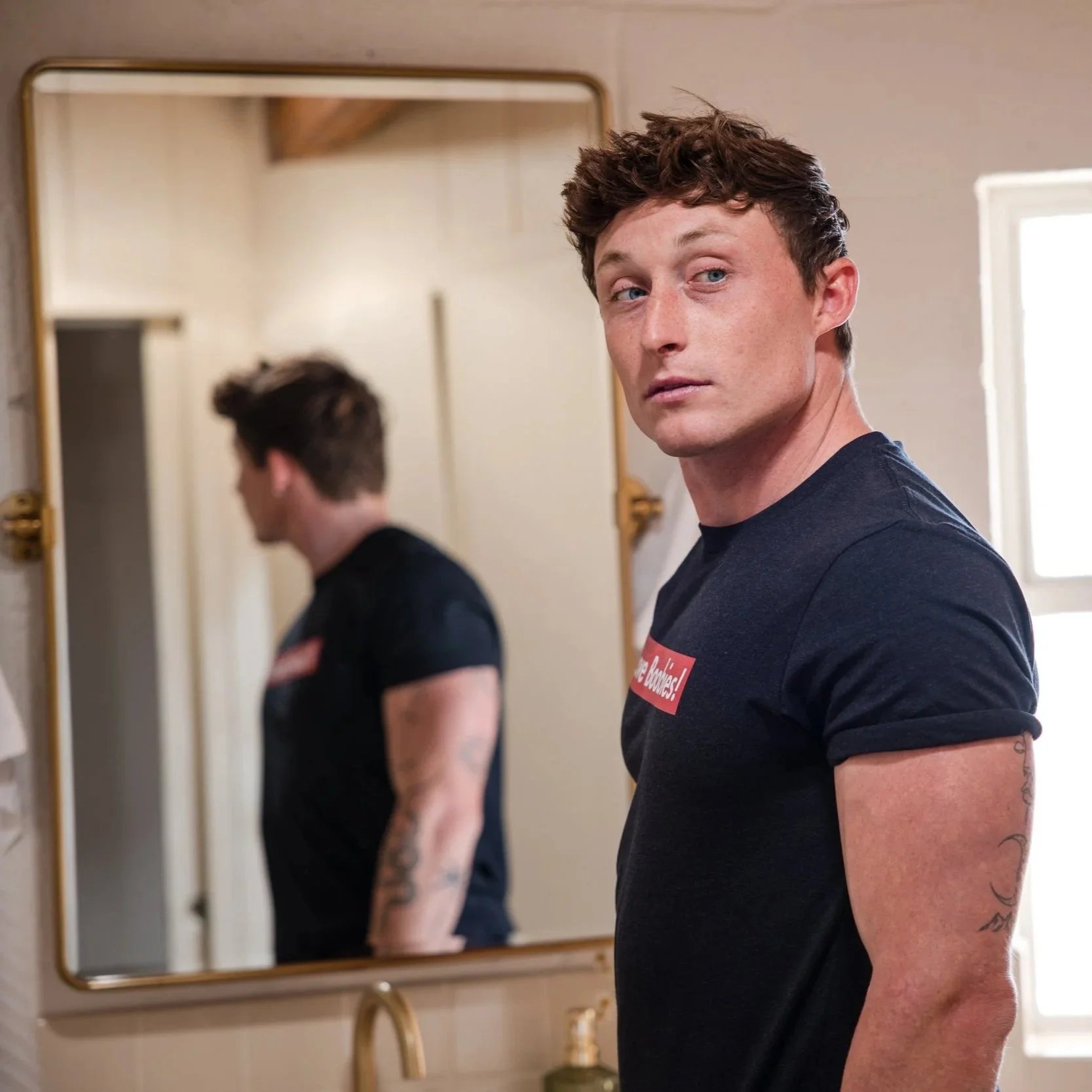
Step 1: Look 👀
Stand in front of a mirror with your arms relaxed. Look for visible changes including swelling, skin dimpling, or nipple changes.

Step 2: Arms Up 🙆🏻♂️
Check again with arms lifted to see if any changes become visible.

Step 3: Feel Around 🤚
Using the pads of your fingers, gently press around the chest and nipple area in circular motions. Notice any lumps, firmness, or unusual tenderness.
Step 4: Check Your Underarms ✅
Breast tissue continues into the underarms. Feel for swelling or enlarged lymph nodes — you may feel some soreness or tenderness to the touch.
Everyone’s body is different. If something changes or feels unusual, talk with a healthcare provider right away. Don’t wait.
HEAR FROM MALE BREAST CANCER SURVIVORS
Many men diagnosed with breast cancer describe feeling alone or unprepared. Sharing stories helps break stigma and reminds others that they are not alone.
Survivor blog
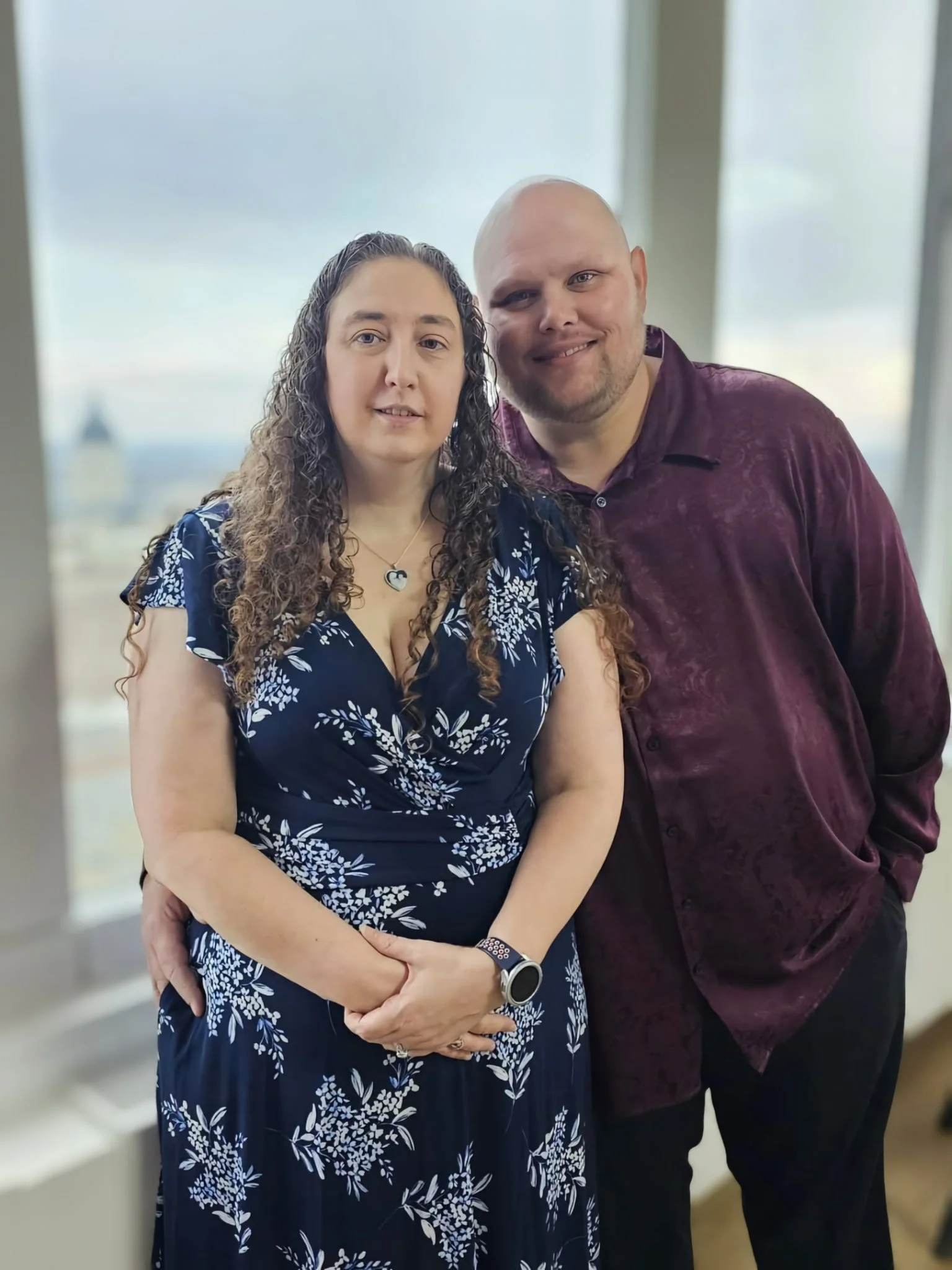
When Men Are Overlooked: What Jeremy Bailey’s Story Teaches Us About Male Breast Cancer
“You got to advocate for yourself. If you don’t want to advocate for yourself, you might as well just hang up your coat. Because if you’re not going to sit there and stick up for yourself, no one else is going to do it for you.”
keep learning with kab
Knowing your normal means developing a relationship with your body and advocating for yourself when you notice if something is wrong (not normal).
Explore these additional educational resources about prevention, self-checks, and chest health and breast cancer awareness:
Support the mission. Shop i love boobies! gear and fund early detection resources.
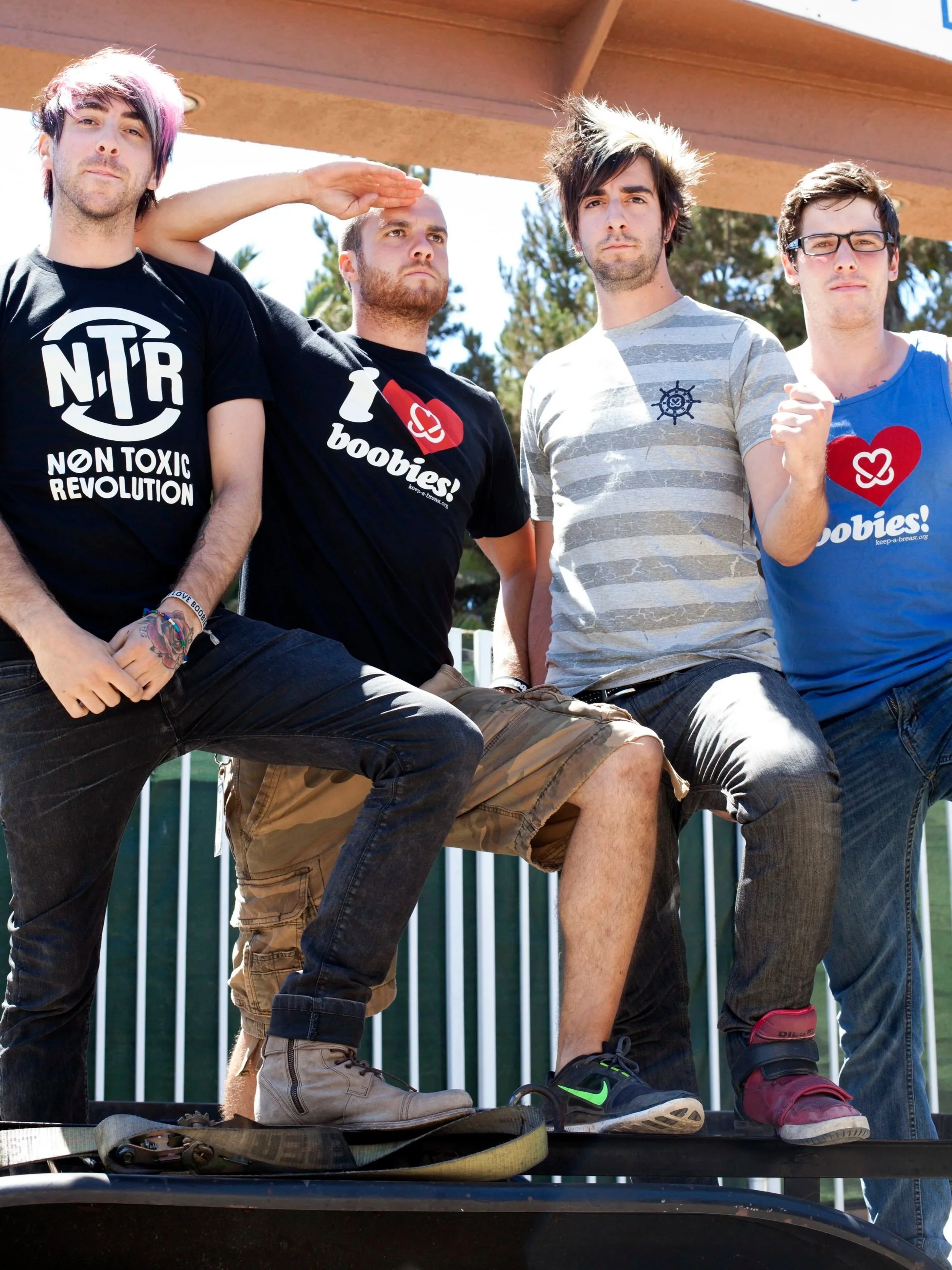
ALL TIME LOW loves boobies! and we love ALL TIME LOW!