
You Don’t Need Breasts to Feel Beautiful and Strong
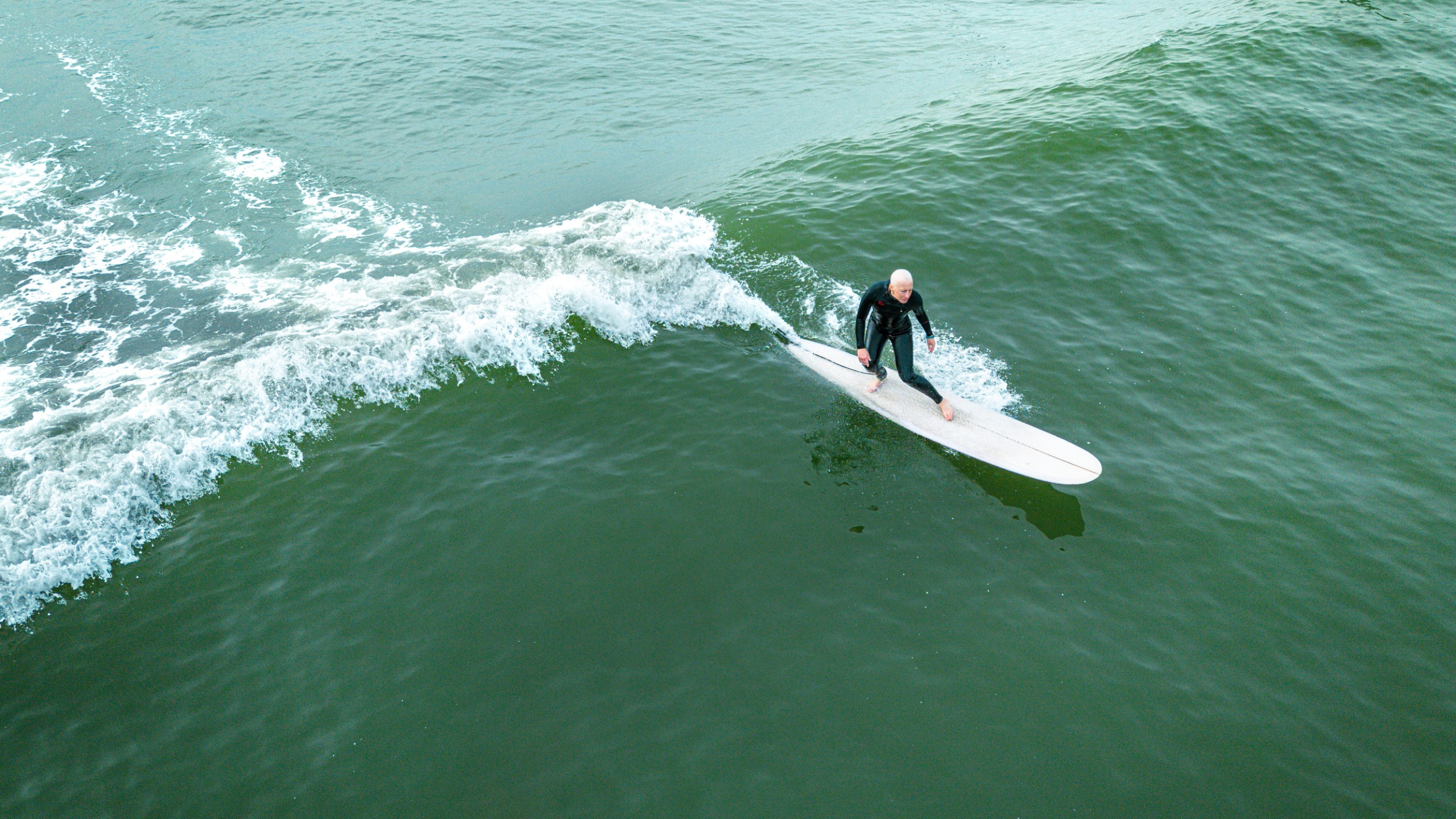
Surfing helped Danielle stay connected to her body through breast cancer treatment. | Photo: Matt Berridge @a_greener_hue
A week after a routine mammogram found fast-growing breast cancer in my left breast, I decided to go flat.
It sounds sudden when I write it that way.
One day I was a 56-year-old surfer, wife, mother, and woman who learned (late, gloriously, awkwardly) to find her body beautiful in the ocean. The next day, I was staring at a pathology report trying to absorb words no one ever wants to hear: aggressive breast cancer and bilateral mastectomy.
But my decision to go flat wasn’t made in panic. It came from somewhere calm and clear.
I didn’t want to spend months or years reconstructing the parts of me cancer had threatened. I didn’t want my body to become a breast construction zone drawn out over many months.
I wanted the cancer out. I wanted to heal. Then I wanted to paddle back out.
And I wanted to show the world something I needed to believe for myself: you can still feel beautiful and strong. You don’t need breasts.
I came to surfing at 52, which is not the age most people decide to start falling off a surfboard into the frigid waters off Northern California’s coast. I was an empty nester, in menopause, and feeling that quiet cultural disappearance that can happen to women in midlife.
Then surfing cracked me open.
It gave me a new relationship with my midlife body: not as something to judge, shrink, decorate, or apologize for. But as something powerful enough to paddle, pop up, fall, laugh, and try again.
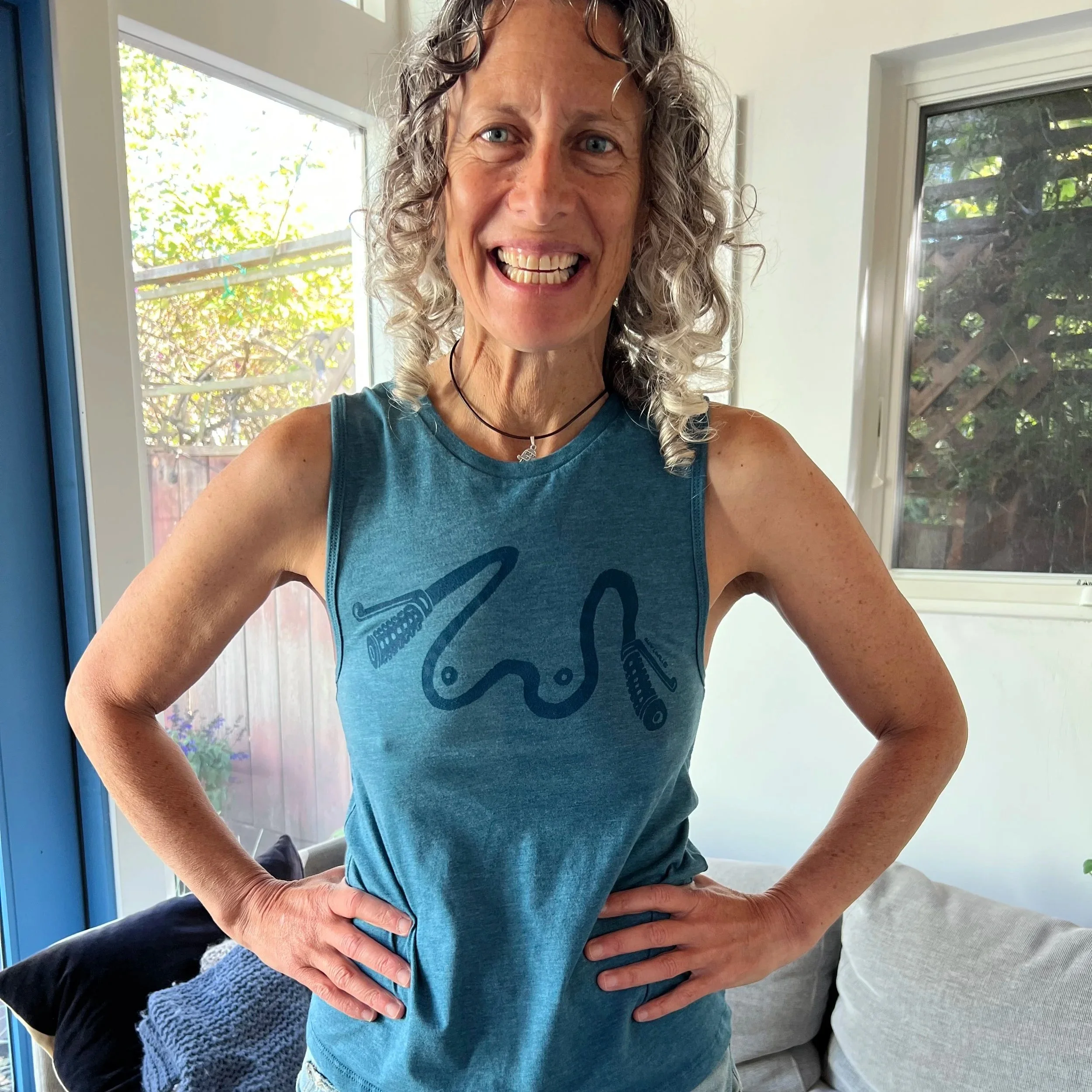
Danielle a few days before her double mastectomy. | Photo Courtesy of Danielle Cass
Surfing made me feel visible again. Not because anyone was watching, but because I could feel myself. My arms pulling through the water. My feet finding the board. My breath catching as I caught a wave. The cold shock of the Pacific. The pure animal joy of gliding across something way bigger and stronger than you.
As my middle-aged ovaries shut down, collagen drained from my skin, and color faded from my hair, something new and powerful was blooming inside me.
So four years later, when breast cancer arrived, my instinct was not to retreat from my body. It was to return to the place where I had learned to trust it: the ocean.
After I got the diagnosis, I texted my surf girlfriends and drove to the beach. Where else does a surfer go with existential questions: “Am I going to die? Will I see my children get married? Will I ever surf again? Can I still be me?”
My girlfriends met me in the water and on the sand. They did not try to fix the unfixable. They showed up. They paddled out beside me. They let me say the scary things out loud. They reminded me that a body can be frightened and capable at the same time.
That’s been one of the great lessons from this cancer experience: Fear and courage are not opposites. They often paddle out together.
When my plastic surgeon and I chose aesthetic flat closure with nipple-sparing after my double mastectomy, I knew people might project all kinds of assumptions onto my decision: that I was being hasty; that I was giving something up I would regret later; that I would grieve my feminine appearance as the price of survival.
For sure, there was grief.
Twenty-five of my girlfriends gathered in my backyard just before my surgery for a breast farewell ritual. We stood in a circle beneath a rising full harvest moon as each woman lit a candle and said aloud their wish for me.
One friend said she wished the surgeons would cut all the disease out of my body. Another said she couldn’t wait to see the person I was becoming. Others wished that I would love the new me, that I would still gain strength from the ocean during the weeks following surgery I was not allowed to surf, and that I would remember that circle of strength from my friends when I was feeling low.
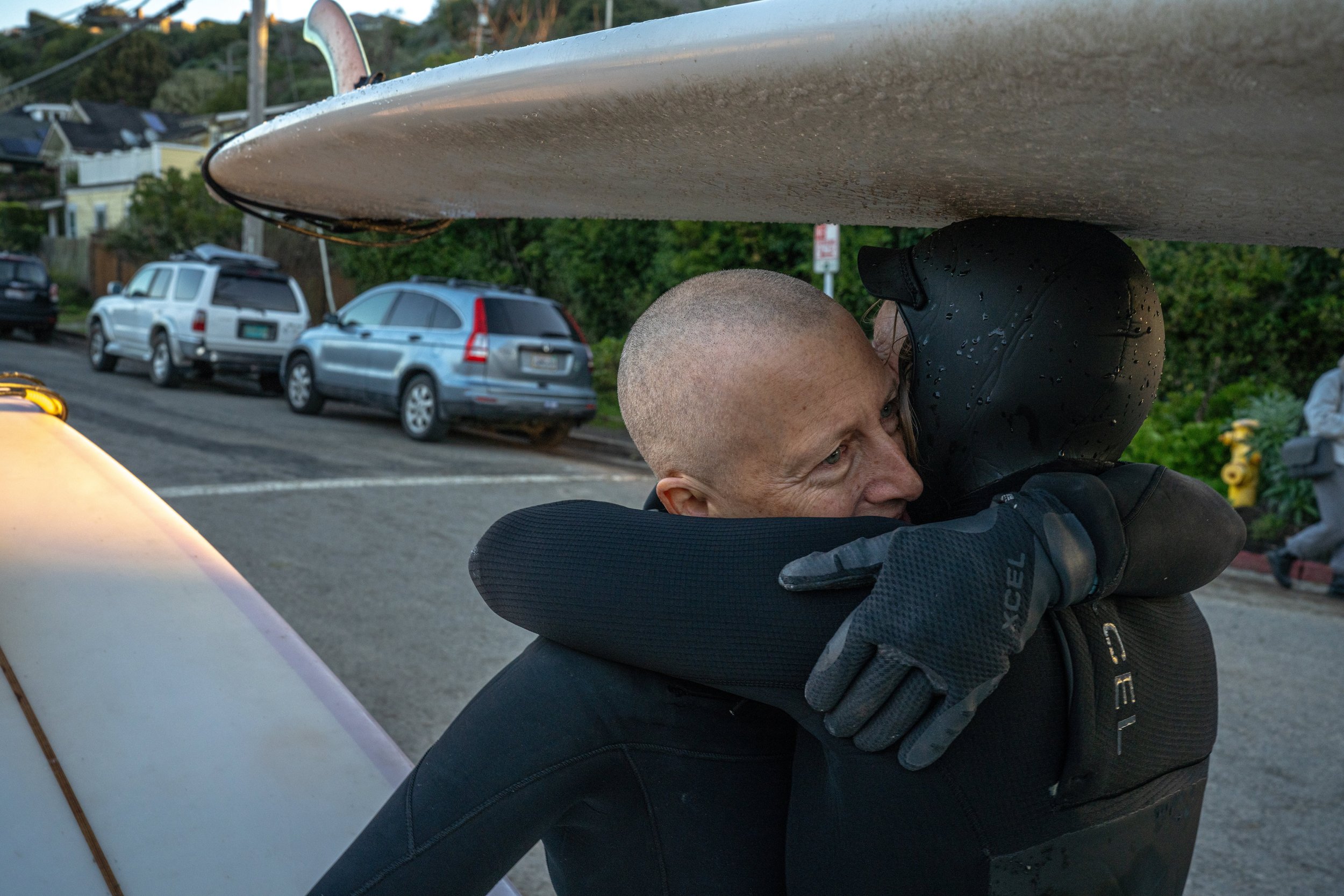
Danielle’s surf friends showed up with room for both fear and courage. | Photo: Matt Berridge @a_greener_hue
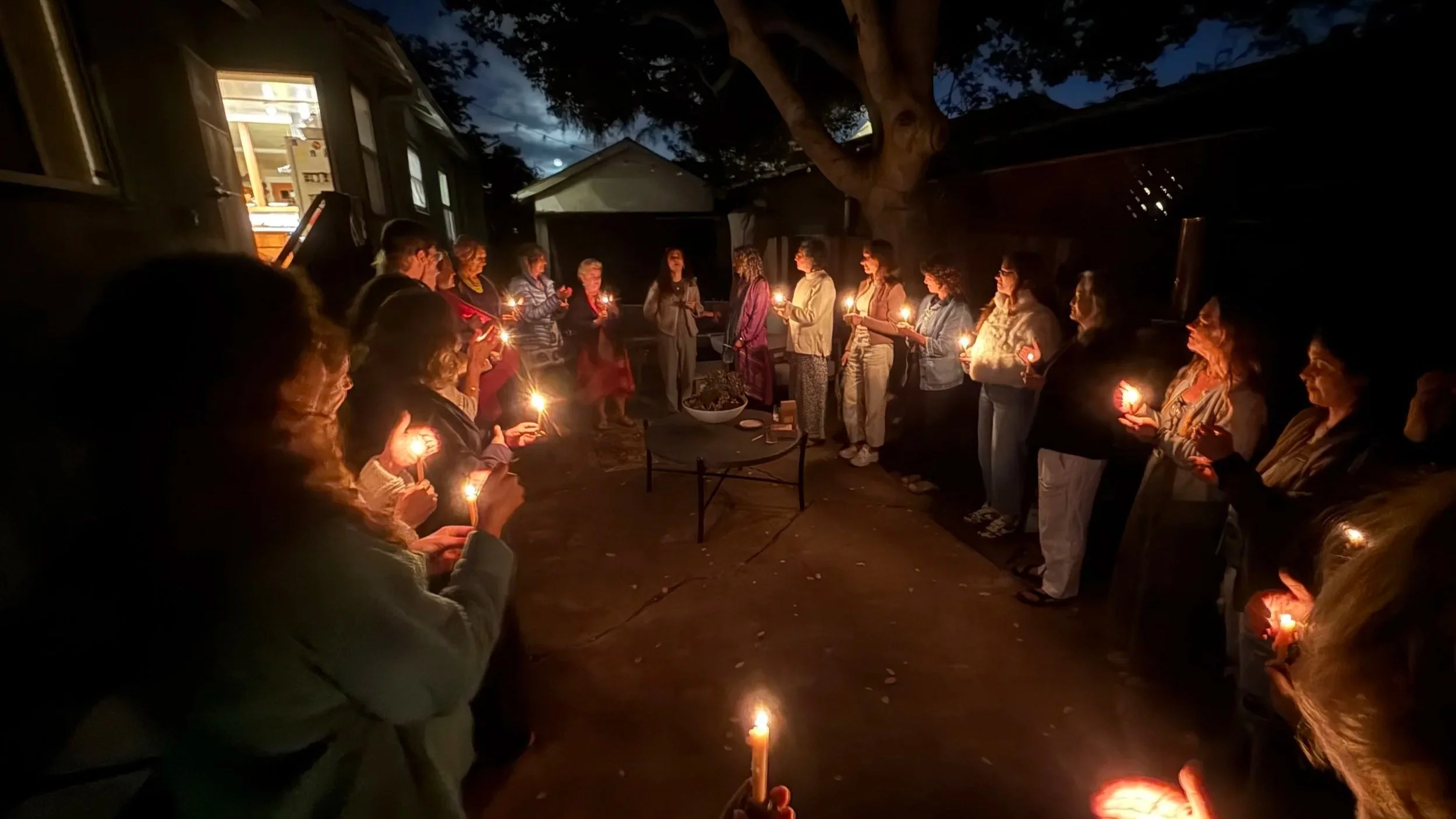
Before surgery, Danielle’s friends gathered for a candlelit farewell to her breasts. | Photo Courtesy of Danielle Cass
I was the last person in the circle of women to share a wish.
All evening I had felt overwhelmed and mute, so I wasn’t sure what to say when it was my turn to light my candle to share my wish aloud. But when I closed my eyes and bowed my head to my heart, my wish burst forth: “I want to be alive at the weddings of my children, and I want to meet and help take care of my grandchildren.”
For that, I wouldn’t need breasts.
I am not interested in pretending cancer is a tidy empowerment story. There were incision drains that had to be emptied of bloody fluid twice a day, compression bras I had to wear 24/7 for many weeks, and the 18 inches of faint scars I will carry forever across my chest.
There were days when I looked at my topless body in the mirror and had to introduce myself to myself again. Shirts and dresses that I had to give away because the fabric now bunched awkwardly in the chest.
But there was also relief. There was clarity. And a fierce sense that my body was still mine. I was in control of the final product.
Going flat was not a surrender. It was a boundary. It was me saying: cancer does not get to dictate what makes me feminine, beautiful, desirable, athletic, or whole.
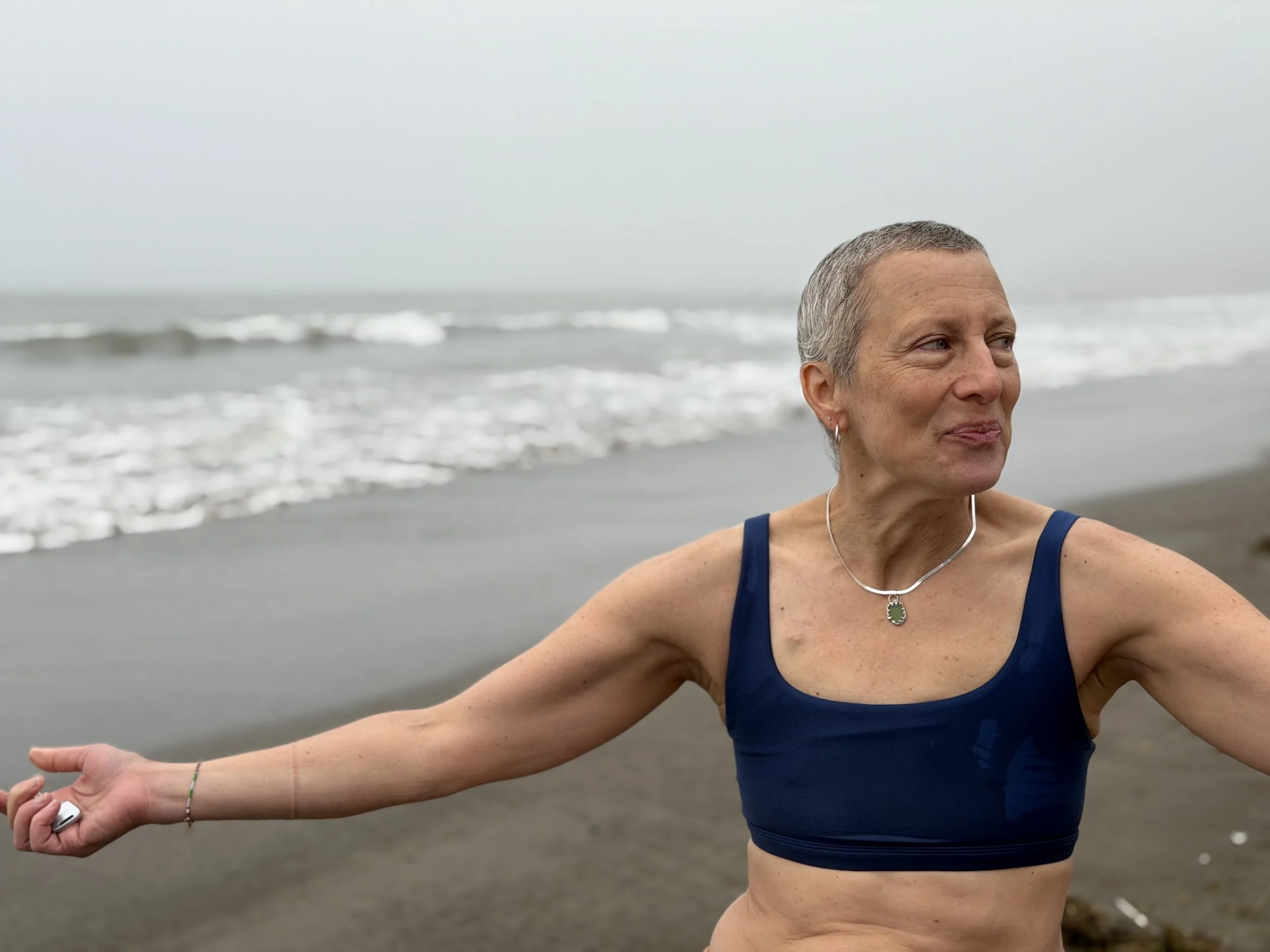
After choosing flat closure, Danielle made room for both grief and relief. | Photo Courtesy of Danielle Cass
After surgery, my first question at each follow-up visit with my plastic surgeon was the same question that had been beating through me since diagnosis: When can I surf again?
My care team understood that this was not a hobby I was asking about. Surfing was my medicine. Not instead of surgery, chemotherapy, immunotherapy, or the science that helped save my life, but alongside it.
Surfing gave me a reason to keep moving. It gave me structure on days when treatment tried to shrink my world to weekly lab tests of my white blood cell count and mounting side effects like metal mouth, bone fatigue and clumps of hair shedding from my head into my hands. Surfing gave me a community that could hold both my terror and my joy.
I was lucky enough to be able to surf through 12 rounds of the weekly chemotherapy that followed my double mastectomy. Sometimes that meant paddling out with less stamina than I wanted and resting on my board beyond the breaking waves while multiple sets rolled past. But being in the ocean connected me to the life I had loved before my cancer rewired my world.
Every surf session was a small declaration to the universe and to myself: I am still here.
I documented my surf-through-cancer journey because I needed witnesses, and because I suspected other women might need them too. I wanted women to see how liberating it felt to go surfing on the same day I got hooked up to the infusion machine at the hospital with an IV pumping cancer drugs through my chest port.
My Substack blog “Danielle Rides the Cancer Wave” became the place where I could write honestly without letting cancer shrink my story into one just about suffering. My Instagram account became a real-time scrapbook of dawn patrol surf sessions, infusion days, comeback rides, songs on my guitar, laughs with girlfriends and family, tenderness, and grit. My videos were not about proving I was invincible. They were about showing what it looks like to remain proud of your body even when it is going through something brutal and disfiguring.
I wanted women — especially younger women facing breast cancer, or supporting women around them going through it — to see another image of self-definition. Not the version that asks us to smile politely through pain. Not the makeover version that implies reconstruction is the only path back to beauty.
I wanted to show the world that a flat-chested woman in a wetsuit, laughing with her friends, paddling into cold water and catching waves can feel gorgeous because she is alive inside her own skin.
There is a freedom in no longer negotiating with the world about whether your body is acceptable.
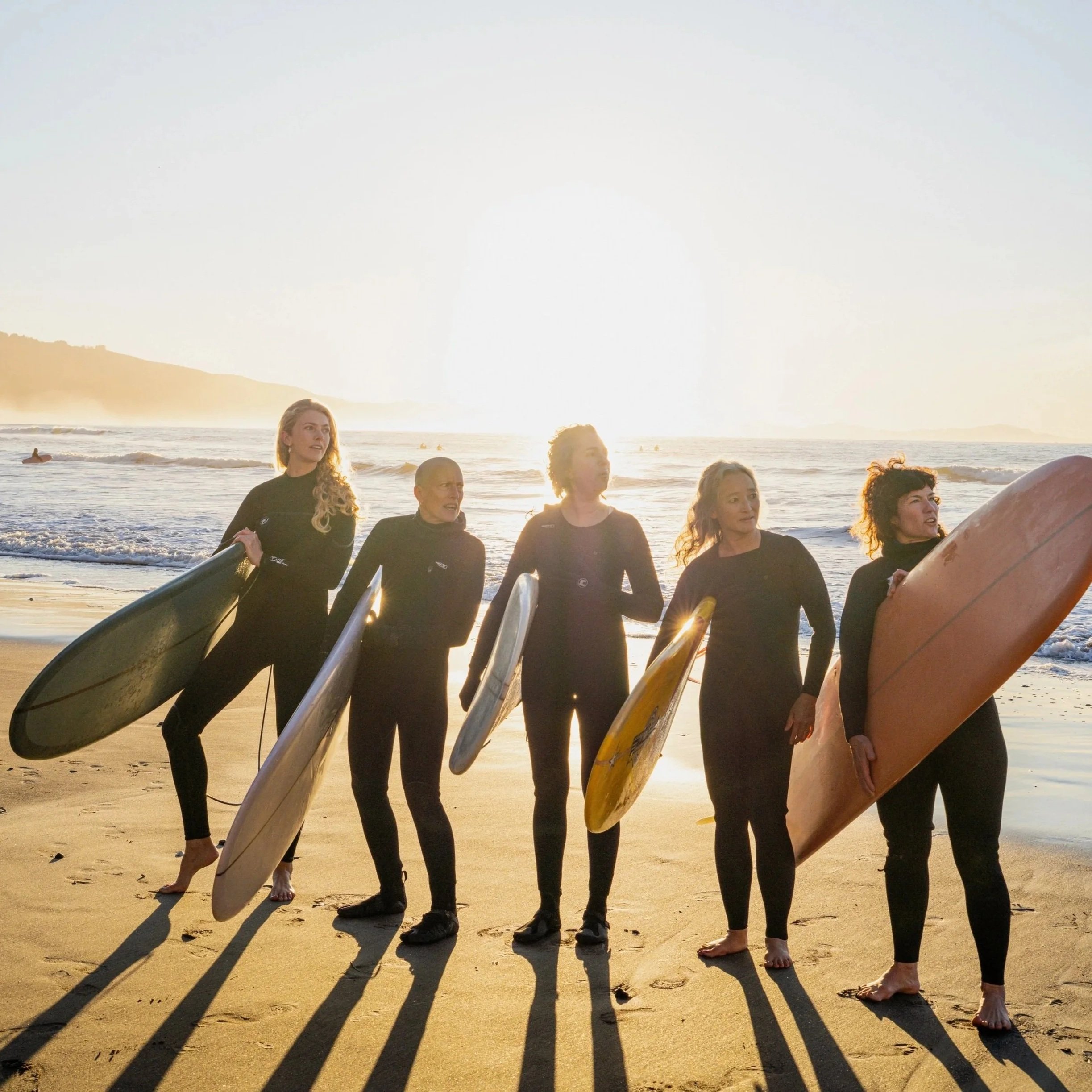
Through treatment, surfing offered Danielle movement, community, and moments of joy. | Photo: Matt Berridge @a_greener_hue
That kind of honesty is rare. Most of what gets handed to women navigating breast cancer is either clinical or inspirational in the greeting-card sense. Keep A Breast has always pushed against that. Their work reaches younger people before the diagnosis, before the fear, with the message that your body is worth knowing and worth fighting for. That felt true to me when I first met Shaney Jo Darden. It feels even truer now.
If cancer asks you to make impossible choices about your body, I hope you know those choices belong to you. Reconstruction can be beautiful. Going flat can be beautiful. Scars can be beautiful. Softness can be beautiful. Strength can be beautiful. There is no single correct way to look like a woman going through breast cancer.
The ocean has never asked me to have breasts. It has never asked me to be younger, smoother, rounder, or less scarred. It asks only that I show up, respect its power, and keep paddling.
So that is what I am doing.
I am showing up flat. I am showing up whole. I am showing up so the next woman who has to make this choice might see me and think: I can be beautiful and strong without breasts too.
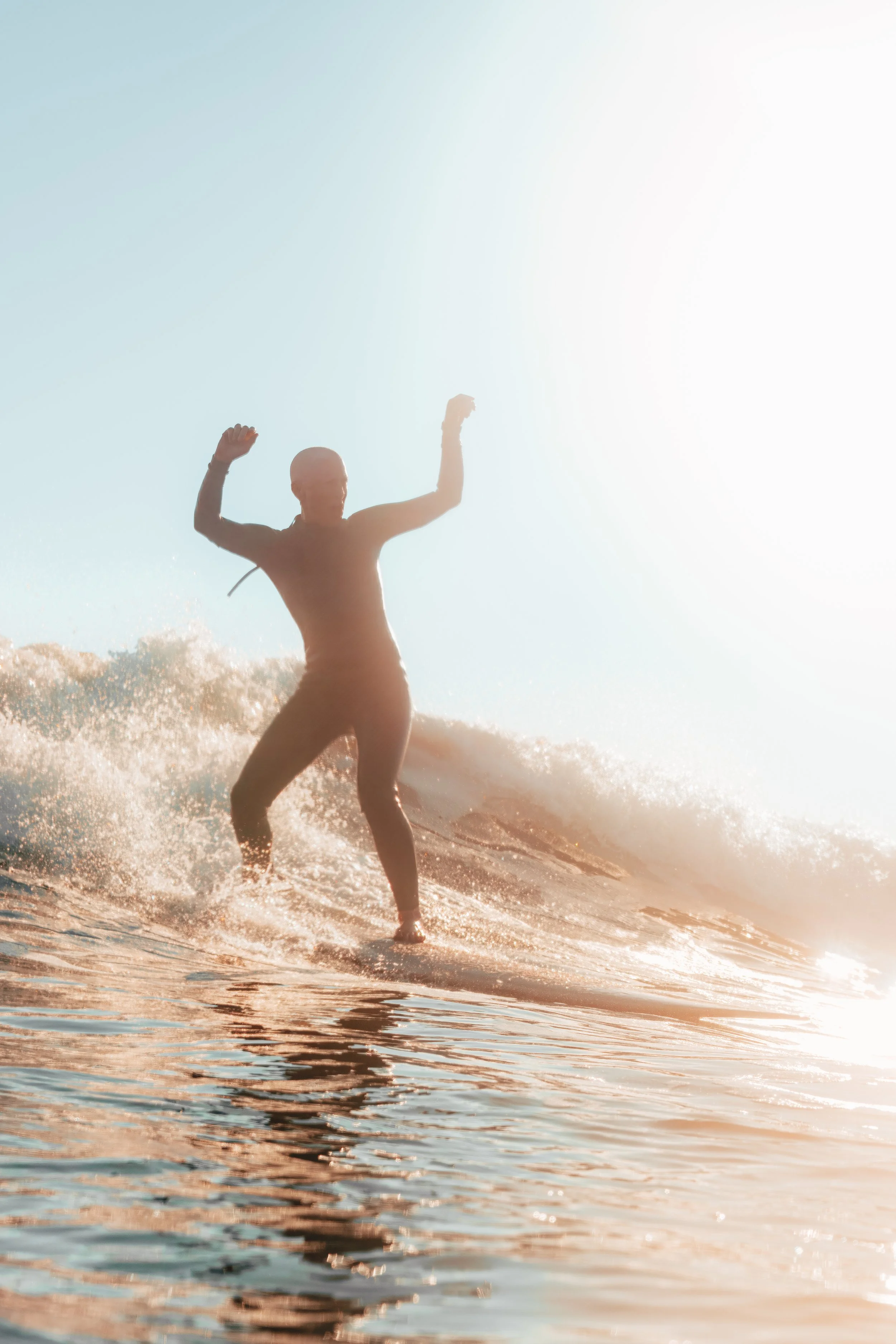
Danielle Cass, surfer, writer, and author of “Danielle Rides the Cancer Wave”. | Photo: Matt Berridge @a_greener_hue
About the author: Danielle Cass lives in Northern California with her dog and husband, with whom she raised their 25-year-old son and 23-year-old daughter. When she is not surfing, she is an AI safety education lead at Microsoft. She shares her surfing-through-cancer journey through essays and videos on her Substack blog “Danielle Rides the Cancer Wave” and on her Instagram @danielle.cass to help others feel less alone and more at home in their bodies.